
Volunteer Foundations | For ALL Volunteers
Being Aware of Horses’ Blind Spots
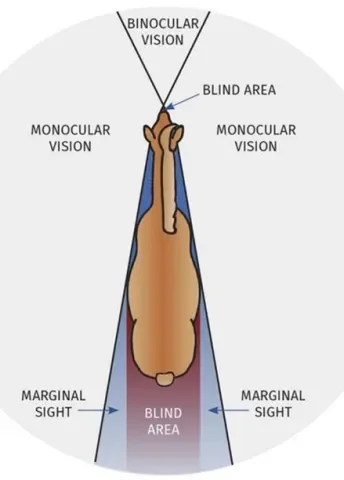
Horses have a wide field of vision, but they also have blind spots directly in front of their faces and directly behind them. When a person enters these areas unexpectedly, a horse may startle or react instinctively, even if they are well trained and familiar with their environment.
Respecting a horse’s blind spots is an important part of keeping everyone safe—participants, volunteers, staff, and horses alike.
As a volunteer, you can help by:
Approaching horses calmly from the side where they can see you
Speaking softly as you approach so the horse knows you are nearby
Avoiding standing directly behind a horse
Maintaining awareness of where you are positioned in relation to the horse at all times
Following staff instructions when moving around horses or changing positions
By being mindful of blind spots and moving with intention, volunteers help create a calm, predictable environment that supports both horse comfort and overall program safety.
Understanding Horse Body Language
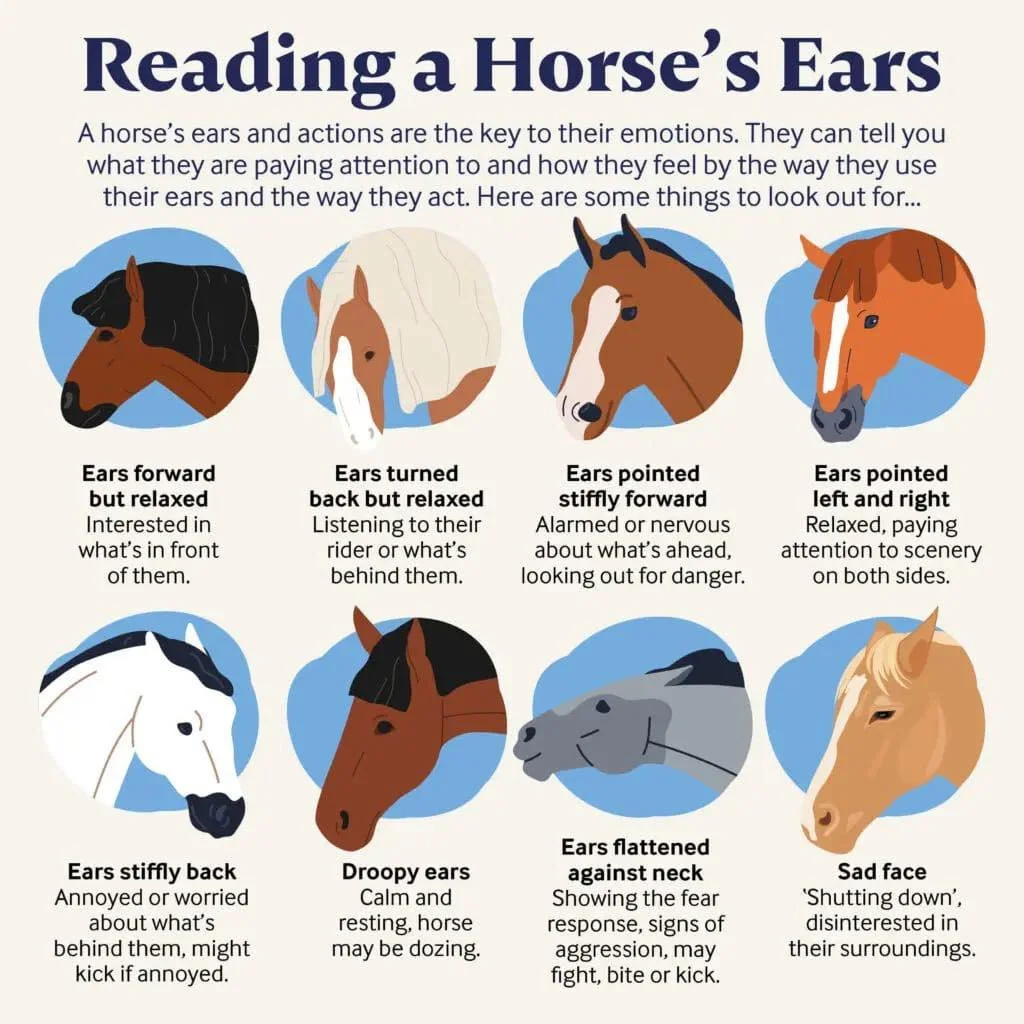
Horses communicate constantly through their body language. Subtle changes in their ears, eyes, posture, or movement can signal how they are feeling—calm, curious, tense, or uncomfortable. Recognizing these cues helps volunteers respond appropriately and prevent situations from escalating.
Paying attention to horse body language supports safety, builds trust, and helps maintain a calm environment for participants, horses, and the entire team.
As a volunteer, you can help by:
Watching for changes in ears, tail movement, head position, and overall posture
Noticing signs of tension, such as pinned ears, raised head, swishing tail, or shifting feet
Giving the horse space if they appear uncomfortable or overstimulated
Staying calm and predictable in your movements and voice
Alerting staff if you notice unusual behavior or signs of stress
By observing and respecting horse body language, volunteers help support the horses’ well-being and contribute to a safer, more positive experience for everyone involved.
Stall Aisle Safety
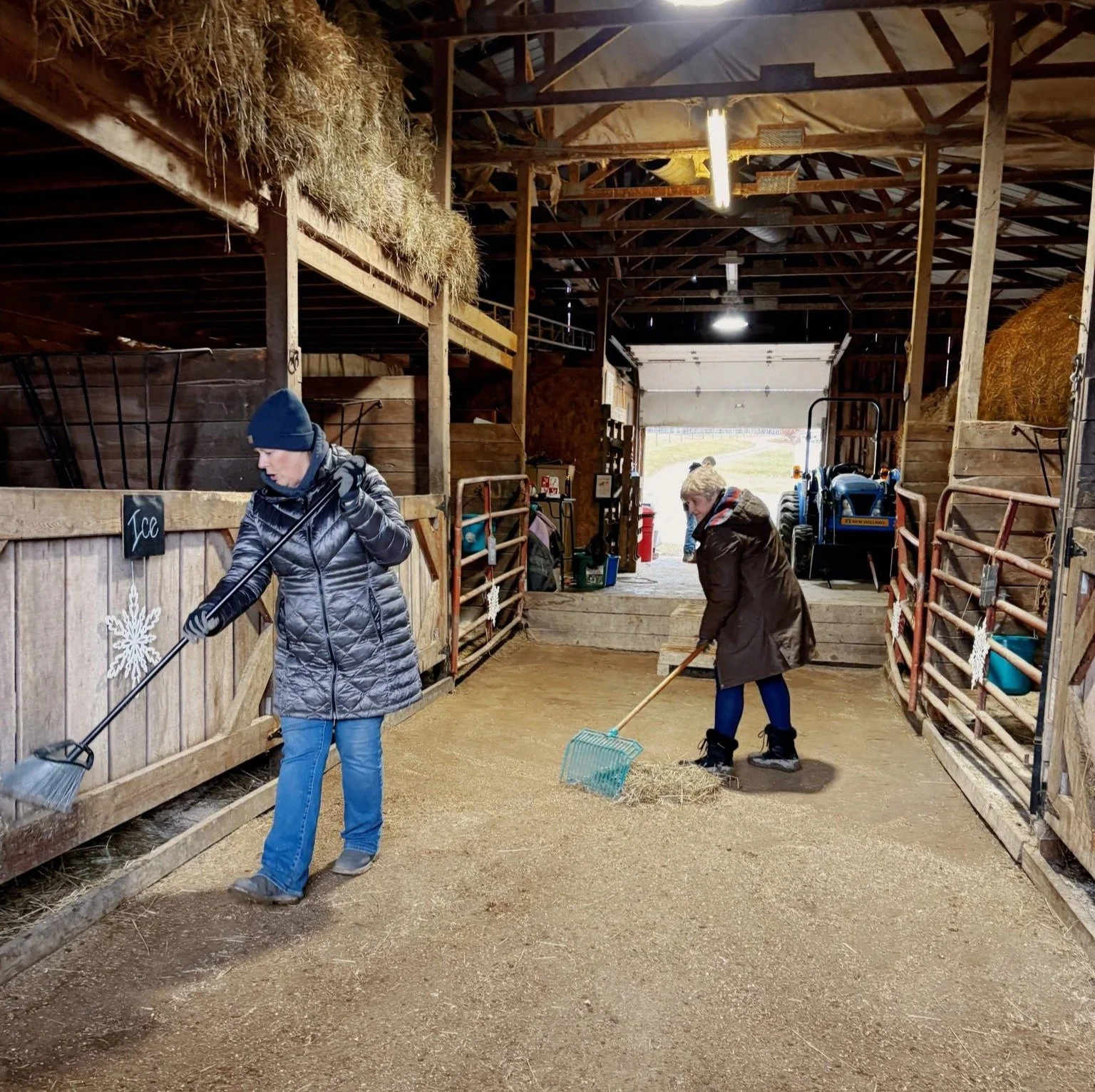
The stall aisle is a shared space used by horses, staff, and volunteers. Keeping this area calm and orderly helps reduce stress for the horses and keeps everyone safe.
As a volunteer, please remember to:
Not stand directly in front of stall doors, as this is the horses’ “personal space”.
Give horses plenty of space as you walk through the aisle.
Keep moving through the aisle rather than stopping to chat or linger.
Use a quiet voice and calm movements to help keep horses relaxed.
Be aware that some horses can be sensitive or “grumpy” at times and may reach out if they feel crowded or startled.
Keep the stall aisle clear of objects and open doors to allow to easy passage of people and horses.
Stay attentive for when horses are being moved in or out of stalls.
By staying aware and giving horses the space they need, volunteers help maintain a calm, safe environment for both people and horses.
Cross-Tie Safety
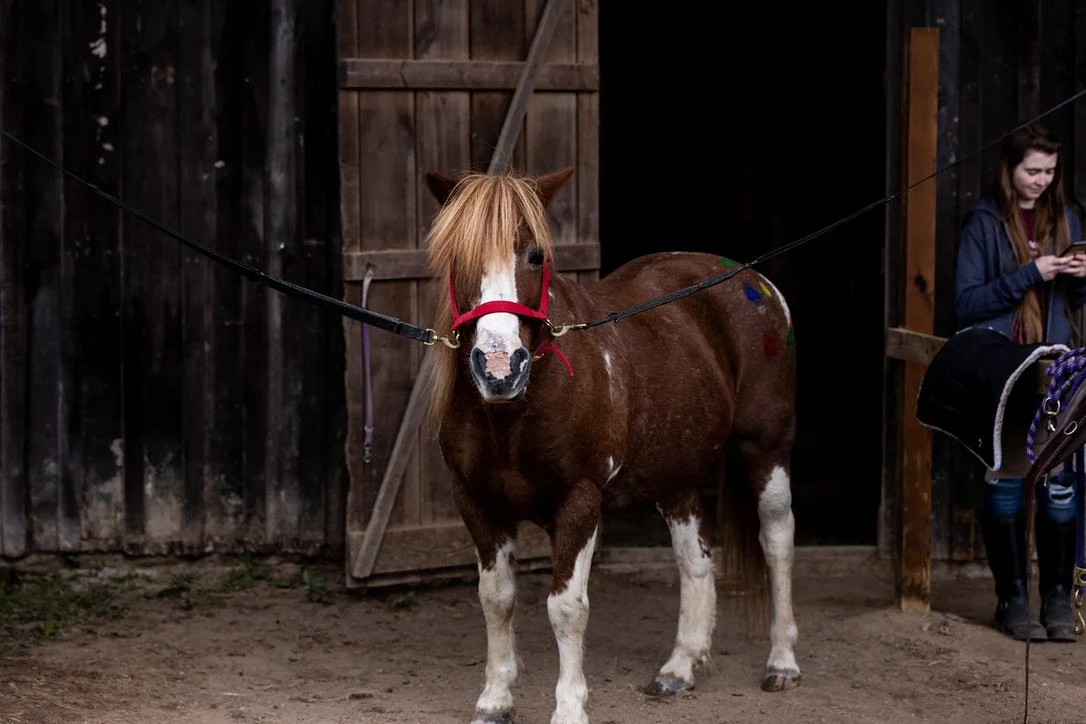
Cross-ties are used to safely secure horses for grooming, tacking, or other ground activities. While they make handling easier, they must be used carefully to prevent accidents.
Key Safety Guidelines for Volunteers:
Never cross under the horse’s neck while they are in cross-ties — this is a high-risk area if the horse startles.
Never leave a horse unattended while cross-tied. Even calm horses can spook or panic.
Stand to the side when working with the horse, rather than directly in front.
Move calmly and predictably, speaking softly so the horse knows you are there.
By following these guidelines, volunteers help keep themselves, participants, and horses safe while supporting smooth program operations.
Other Horse Safety Considerations
Do not hand feed horses. Treats may only be given with staff permission and placed in feed pans.
Do not enter stalls, paddocks, or pastures without training and staff permission.
Never kneel on the ground by a horse
Never leave reins on the ground or wrap ropes/reins around your hands or body.
Other Safety Supplies
Various situations can arise that may warrant other safety supplies. Check the chart below for the location of:
Emergency Phone + Important Numbers
Fire Extinguisher
Human First Aid Kit + AED + CPR Masks
Horse First Aid Kit